
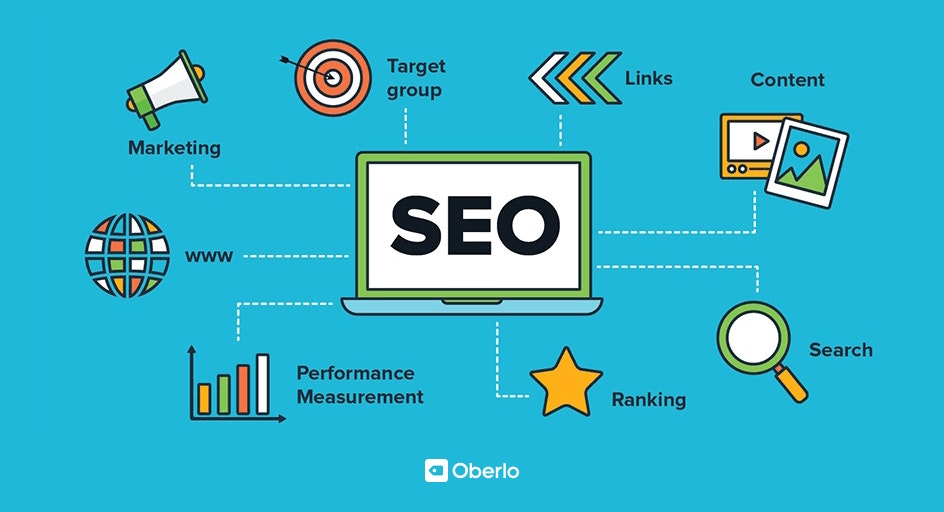
Search engine optimization (SEO) is how you make your website visible to the billions of people searching the web each day for products and services like yours. A well-optimized site attracts more relevant traffic, which leads to more leads, sales, and conversions, and the quality of your content determines where your pages land on search results pages. Beyond traffic, SEO protects brand reputation, drives qualified visitors, and plays a critical role in the buyer’s journey, which is why successful efforts involve a cross-functional team including an analyst, a content creator, and technical web team members.
The ROI on SEO investments is significant. Organic SEO amplifies growth, lowers acquisition costs, boosts brand awareness, and generates substantial revenue, making search engine optimization an invaluable business investment.
Why SEO matters in 2026
Every day, billions of searches are made on the web, and these are highly targeted visitors looking for specific products or services. The quality of your content will determine your ranking on search results pages. Aside from boosting visibility, SEO protects brand reputation, increases qualified traffic, and builds brand recognition. SEO often plays a critical role in the buyer’s journey, and efforts typically involve a coordinated team that includes an analyst, content creator, and technical web team members.
On-page SEO essentials
While H1 tags are useful for displaying on Google, the title tag has a more prominent role in SERPs because it is displayed as the headline of the page in organic search results. It should be enticing, include your main keyword, and carry a call to action. Make your site easy to access and your content will be visible in search results.
For more on structured data, read WordStream’s guide to schema for SEO.
Handle URL changes carefully
Avoid changing old URLs just to optimize for SEO. If you do need to restructure URLs, use 301 redirects so search engines and users reach the right page.
Add schema markup to your pages
Schema helps search engines better understand your pages, which makes it easier for them to see how important your content is to your target audience. Once your URLs and markup are in place, you are ready to run a comprehensive SEO strategy.
Pairing SEO with SEM
SEO and SEM are complementary strategies. SEO aims to rank your site organically, while SEM aims to get your site ranked on the first page of search results for a specific keyword. Both strategies lead customers to your site, but only if your site is optimized for sales. Combining them can save money, and for a new business, search engine optimization is an excellent starting point.
Related coverage
- SEO Demystified: A Small Business Owner’s Roadmap to Ranking Higher in 2024
- SEO Demystified: A Small Business Owner’s Roadmap to Ranking Higher in 2024